
New EU rules for the horse trade
The identification, registration and transport of horses are increasingly governed at European level. What the EU animal health rules mean for dealers and breeders.
Written by

Anyone who breeds, trades or transports horses across borders has to deal with a growing body of European rules. Since 21 April 2021, the EU Animal Health Law has applied, replacing many older directives and national rules. It comes with implementing rules on matters including the identification and registration of horses. This article gives an overview of the main points.
One identification document for life
Every horse in the EU must have a unique identification document that accompanies it throughout its life, the equine passport, and must be microchipped. Among other things, the passport records the horse's identity and whether it has been excluded from the food chain. The latter matters for the use of veterinary medicines. For the buyer, the passport is therefore an important document: if it is missing or incorrect, that can affect whether the horse can be sold on.
Registration and the role of the breeder
For breeders, this means that a foal must be identified and registered within the applicable time limits. In addition, a separate EU regulation governs the breeding of and trade in purebred breeding animals and the recognition of studbooks. Which body issues the passport in the Netherlands or Germany, and exactly which time limits apply, varies from case to case. If in doubt, check with your studbook or the competent authority.
Cross-border transport
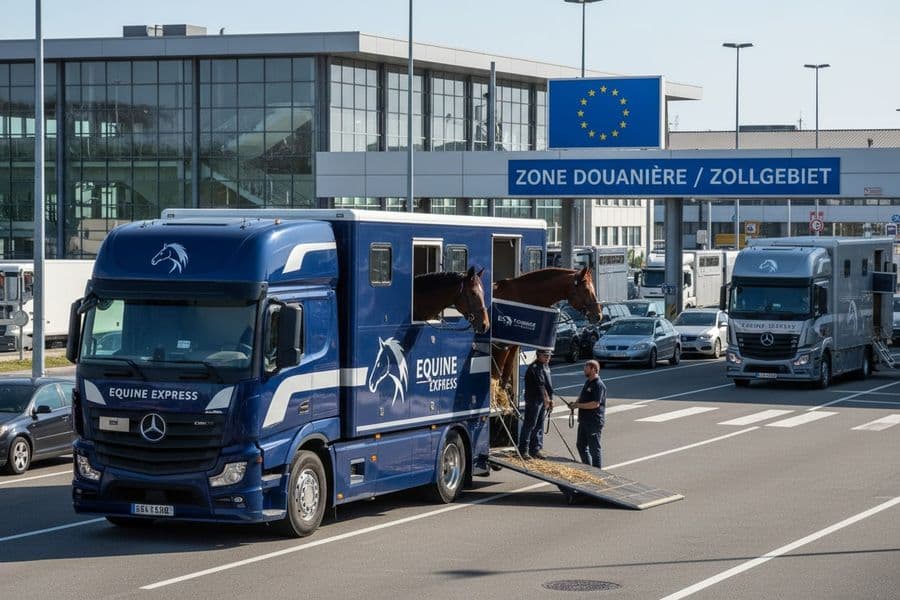
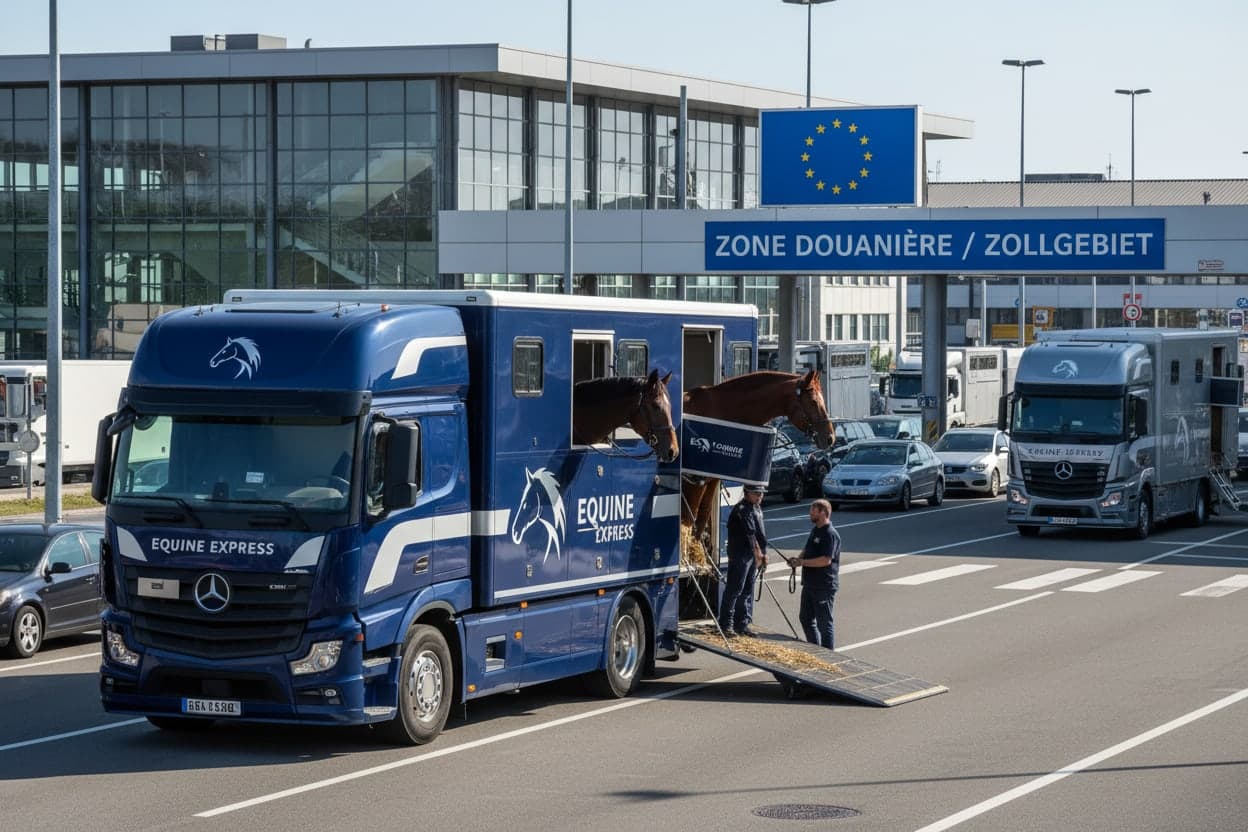
Commercial movements of horses between Member States are subject to health certification requirements, which are recorded in the European TRACES system. The European rules on animal welfare during transport also apply. The European Commission has put forward proposals to revise those transport rules. What the revision will ultimately look like remains to be seen. Since the United Kingdom left the EU, trade with the UK has also been subject to separate formalities.
What does this mean for contracts?
The European rules have a knock-on effect on the relationship between buyer and seller. Set out in the purchase agreement who is responsible for the passport, the registration, the certificates and the transport, and what happens if a document is missing or not in order. Also agree on the moment when risk passes, particularly if the horse is transported by a third party.
Supervision and enforcement
Compliance is supervised by the national authorities. Breaches can lead to administrative measures and fines, but also to delays at the border or to a sold horse not being delivered. For dealers with an international business, it therefore pays to keep their paperwork in order.
In conclusion
Because the rules are partly European and partly national, and because further changes are in the pipeline, it is wise to have the current position checked for any specific transaction.
This article contains general information and does not constitute legal advice. Legislation and case law may change, and the outcome always depends on the circumstances of your situation. For advice on your matter, please get in touch with us.