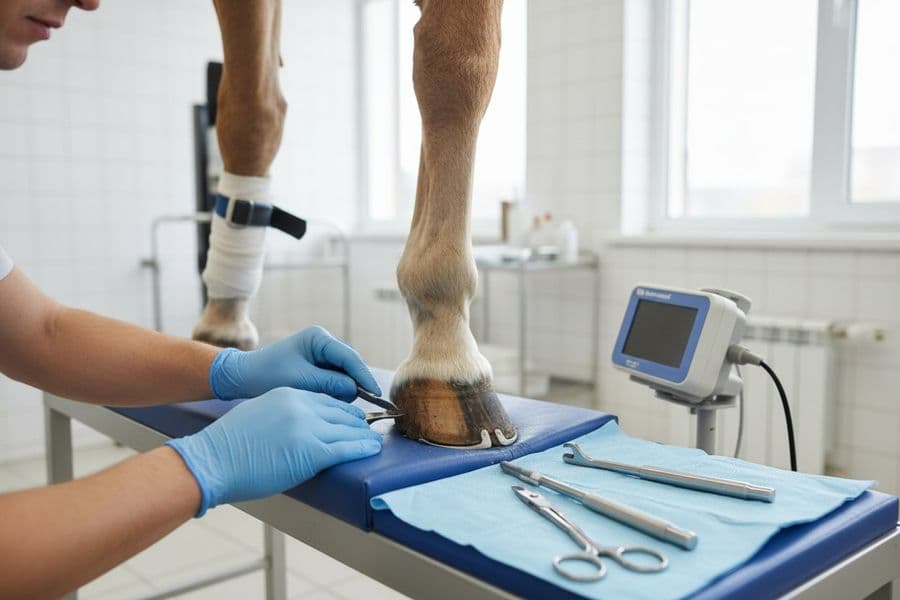
Pre-purchase vetting of a horse: when is the vet liable?
The vetting was clear, yet the horse turns out to have a defect that could already have been visible. Can you hold the vet liable?
Written by

For many buyers, a pre-purchase vetting is the most important safeguard when buying a horse. If the horse turns out to have a defect shortly after the sale, the question arises whether the examining vet overlooked something. If so, the vet may be liable. The threshold for that, however, is not low.
The vetting as a contract for services
The buyer, or sometimes the seller, instructs the vet to examine the horse. That instruction is governed by the statutory rules on contracts for services. The vet must exercise the care of a good service provider. This does not mean that the vet guarantees that the horse is healthy. He must act as a reasonably competent and reasonably acting vet would in the same circumstances.
What does that mean in practice?
The assessment looks at what was agreed about the scope of the vetting, such as which X-rays are taken and whether any further examination is carried out, and at the professional standard. A fixed vetting protocol is often used. If the vet missed a finding on the X-rays that a fellow professional would have spotted, or failed to report a relevant finding or reported it unclearly, there may be a breach of duty. A vetting is, however, a snapshot in time: defects that arise only later, or that were not visible with the agreed examination, are generally not the vet's responsibility.
Loss and causation
Even if the vet fell short, the buyer must show that he suffered loss as a result. The question then is what the buyer would have done had the vetting been correct. Would he not have bought the horse at all, or only at a lower price? That determines the extent of the loss. Independent veterinary experts are often brought in to assess both the breach and the causal link.
Limitations of liability
Many vets work with general terms and conditions that limit their liability, for example to the amount covered by their insurance or to the amount of their invoice. Whether such a limitation applies and can be invoked depends on the circumstances, including whether the terms were properly provided to the client.
Seller or vet?
A buyer whose horse does not meet expectations can sometimes pursue both the seller and the vet. These are separate legal relationships, each with its own rules and time limits. A good vetting does not, as a rule, protect the seller against his own obligations, and a claim against the seller does not rule out a claim against the vet.
Our approach
We obtain the vetting reports and images, have them reviewed and then discuss with you whether a claim is likely to succeed, and against whom. We also act for vets who are faced with a claim.
This article contains general information and does not constitute legal advice. Legislation and case law may change, and the outcome always depends on the circumstances of your situation. For advice on your matter, please get in touch with us.