Livery yard disputes: what you need to know
Unpaid livery fees, an injury in the field or sudden notice to leave. Which rules apply between owner and yard?
Written by

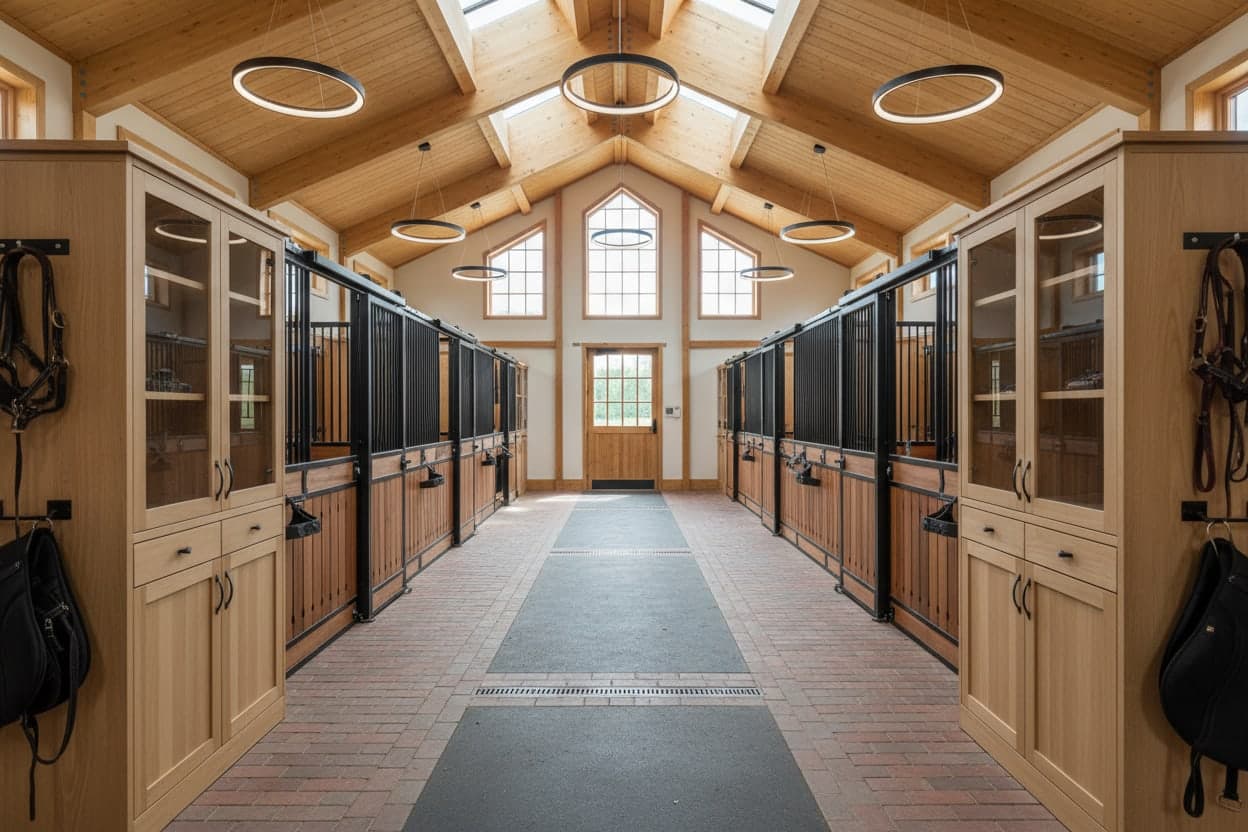
Between owner and yard owner, things usually go well for years. But when they go wrong, a lot tends to be at stake: the horse's health, outstanding bills and sometimes whether the horse may leave the yard at all. An overview of the most common disputes.
What kind of agreement is full livery?
Under a full livery arrangement, the yard owner takes the horse into his care and looks after it for a fee. Legally, this has the characteristics of a contract of deposit (bewaarneming), often combined with a contract for services covering care, training or supervision. The custodian must exercise the care of a good custodian. Exactly what that care entails depends on the agreements made, the customs of the trade and the price paid for the livery.
Injury or illness: who is responsible?
If a horse is injured in the field or an illness is noticed too late, the question is whether the yard owner fell short in his care. That is not a given: horses can injure themselves even when well looked after. It depends on what was agreed, what could reasonably be expected of the yard owner and what actually happened. A logbook, photographs and calling in a vet promptly are of great importance to both parties.
Damage caused by the horse to third parties is subject to a separate regime. In principle, the possessor of an animal is liable, but where the animal is used in the course of a business, that liability may shift to the business user. Whether this is the case for a yard owner depends on the circumstances.
Unpaid livery fees
If the owner does not pay, the yard owner may in many cases keep the horse until the claim has been settled. This is known as the right of retention. However, the yard owner may not simply sell the horse to recover the debt. As a rule, that requires an enforceable title or the intervention of the court. In the meantime, the yard owner remains responsible for proper care, and the cost of that care continues to rise.
Notice to terminate
Many livery agreements have a short notice period, but not all arrangements are put in writing. An abrupt termination can cause serious problems for an owner if no other yard is available at short notice. Conversely, a yard owner who wants a horse to leave cannot take matters into his own hands.
Prevention is better than cure
Put the arrangements in writing: what the livery covers, who decides on visits from the vet, what the costs and notice period are, and how insurance is arranged. General terms and conditions tailored to your yard prevent a great deal of dispute.
This article contains general information and does not constitute legal advice. Legislation and case law may change, and the outcome always depends on the circumstances of your situation. For advice on your matter, please get in touch with us.