Hidden defects when buying a horse: your rights
A defect that was not visible at the time of sale can throw the whole purchase into doubt. What you can do as a buyer, and what sellers should watch out for.
Written by

The term hidden defect is widely used in the horse world, but it does not appear as such in Dutch law. The statutory starting point is that a horse you buy must conform to the contract. A defect that the buyer did not know about at the time of sale, and had no reason to know about, may mean that it does not.
Duty to investigate and duty to disclose
Whether the buyer can rely on a defect depends partly on what he could have discovered and what the seller should have told him. A buyer can be expected to carry out a certain degree of investigation, particularly with an expensive sport horse. On the other hand, a seller who knows or ought to know of a defect must, as a rule, disclose it. A seller who deliberately conceals a known problem can usually not hide behind the fact that the buyer could have discovered it himself.
The role of the pre-purchase vetting
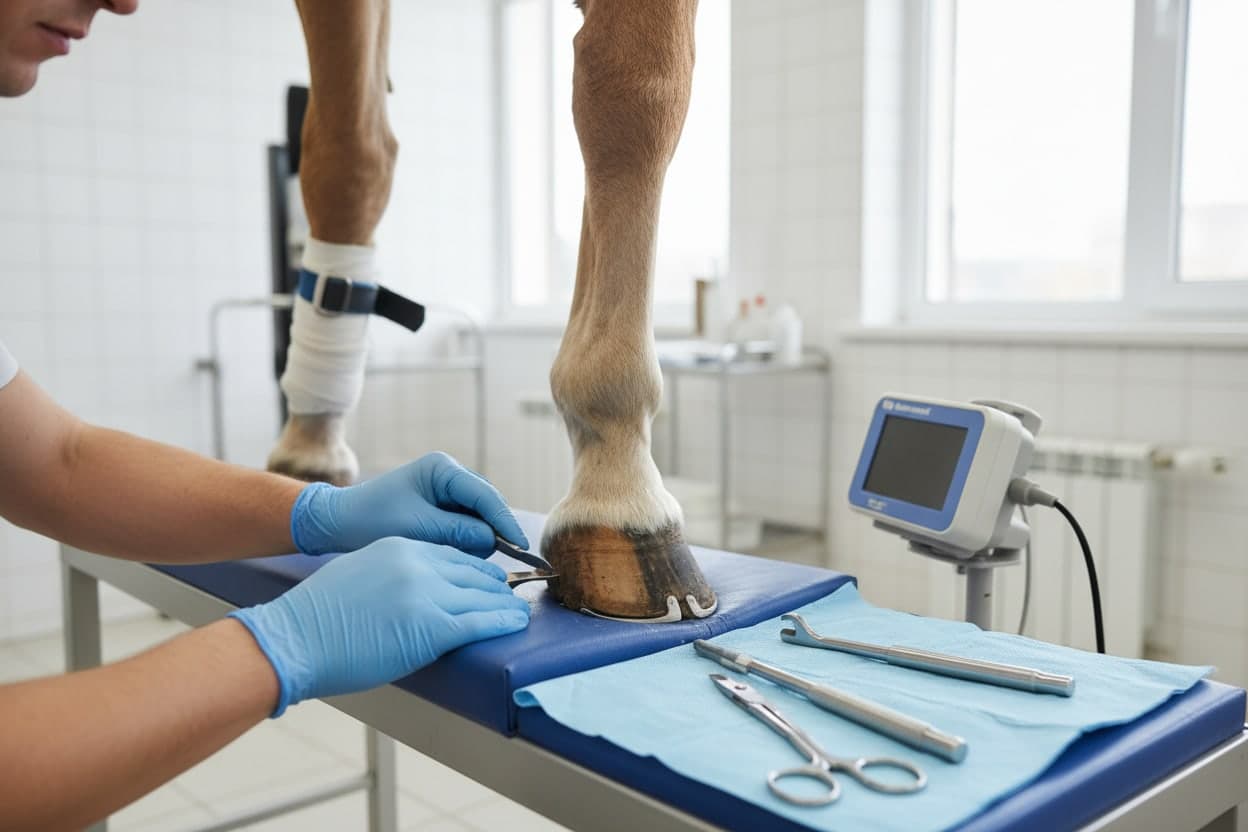
A pre-purchase vetting records the horse's health at one moment in time. A good vetting protects the buyer, but it does not mean that the seller is no longer responsible for anything. Conversely, a buyer who forgoes a vetting, or who accepts known findings on the X-rays, will find it hard to rely on them later.
Exclusion clauses and "bought as seen"
Between professional parties, clauses limiting the seller's liability are common, such as "bought as seen and ridden". Such clauses are not automatically invalid, but they have limits, for example where the seller knew of the defect. Where a consumer buys from a professional dealer, the buyer's statutory rights cannot in principle be excluded.
What rights do you have as a buyer?
If the horse does not conform to the contract, the buyer may, depending on the situation, claim a price reduction or termination of the sale, and in many cases damages. On termination, the horse goes back and the purchase price is refunded. Additional costs, such as vet's fees and livery in the meantime, may form part of the loss. It is important that the buyer complains in good time: anyone who waits too long after discovering the defect may lose his rights.
What sellers should watch out for
For sellers the advice is the reverse: be open about what you know, put it in writing and make clear agreements about the intended use of the horse. A clear purchase agreement describing the vetting and any known findings prevents a great deal of dispute.
Evidence is everything
In almost every case, it ultimately comes down to evidence: when did the defect arise, and who knew what? Keep advertisements, messages, vetting reports and X-rays, and in the event of a dispute, have an independent expert take a look in good time. That way you keep the strongest position, whether you are the buyer or the seller.
This article contains general information and does not constitute legal advice. Legislation and case law may change, and the outcome always depends on the circumstances of your situation. For advice on your matter, please get in touch with us.