German real estate funds in the Netherlands and Dutch investors in German real estate
Buying property across the border looks much like buying at home, but the differences in notarial practice, registers and taxes are considerable.
Written by

German real estate funds have been investing in Dutch office, retail and residential property for decades, while Dutch investors in turn look to Germany for returns. Our founder acts for a large number of German real estate funds in the Netherlands and advises Dutch investors in Germany. In both directions, we see the same pitfall: the assumption that a cross-border property transaction works just as it does at home.
Transfer and registers
In the Netherlands, real estate is transferred by notarial deed, followed by registration in the public registers of the Land Registry (Kadaster). The purchase agreement itself generally does not need to be executed before a notary. In Germany, by contrast, even the purchase agreement for a plot of land must be notarised. Ownership passes only upon registration in the land register (Grundbuch). In the meantime, the buyer's position is usually protected by a priority notice of conveyance, the Auflassungsvormerkung.
Taxes
In both countries, transfer tax is payable on the acquisition of real estate. In Germany, the rate of real estate transfer tax (Grunderwerbsteuer) varies from one federal state to another. In the Netherlands, the rate depends on the type of property. Tax may also be payable in both countries on the acquisition of shares in a property company, under conditions that differ from one another. Rates and rules change regularly, so always coordinate the structure of the transaction with a tax adviser in both countries.
Tenancy law
A large part of the value of investment property lies in the leases. Dutch tenancy law distinguishes between different types of commercial premises, with a specific regime for retail and hospitality premises and a different regime for offices. Germany also has its own rules, for example on the form of long-term leases. Due diligence on the leases is therefore a standard part of every acquisition.
Asset deal or share deal
Real estate can be bought directly, or by acquiring the company that holds it. In a share deal, the buyer also takes over the company's history and liabilities. That calls for broader due diligence and robust warranties in the purchase agreement.
Financing and security
The security for the lender also differs. In the Netherlands, a mortgage is customary, whereas in Germany a land charge (Grundschuld) is often used. An international lender will want to know how these security rights relate to one another.
Language and documents
A German notarial deed is executed in German. A buyer who does not speak the language is entitled to a translation or an interpreter at the signing. Conversely, German funds in the Netherlands deal with deeds and registers in Dutch. An adviser who knows both languages and both systems prevents misunderstandings about exactly what is being signed.
Our approach
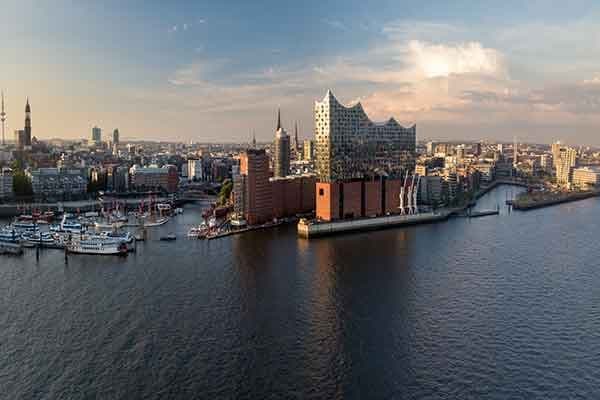
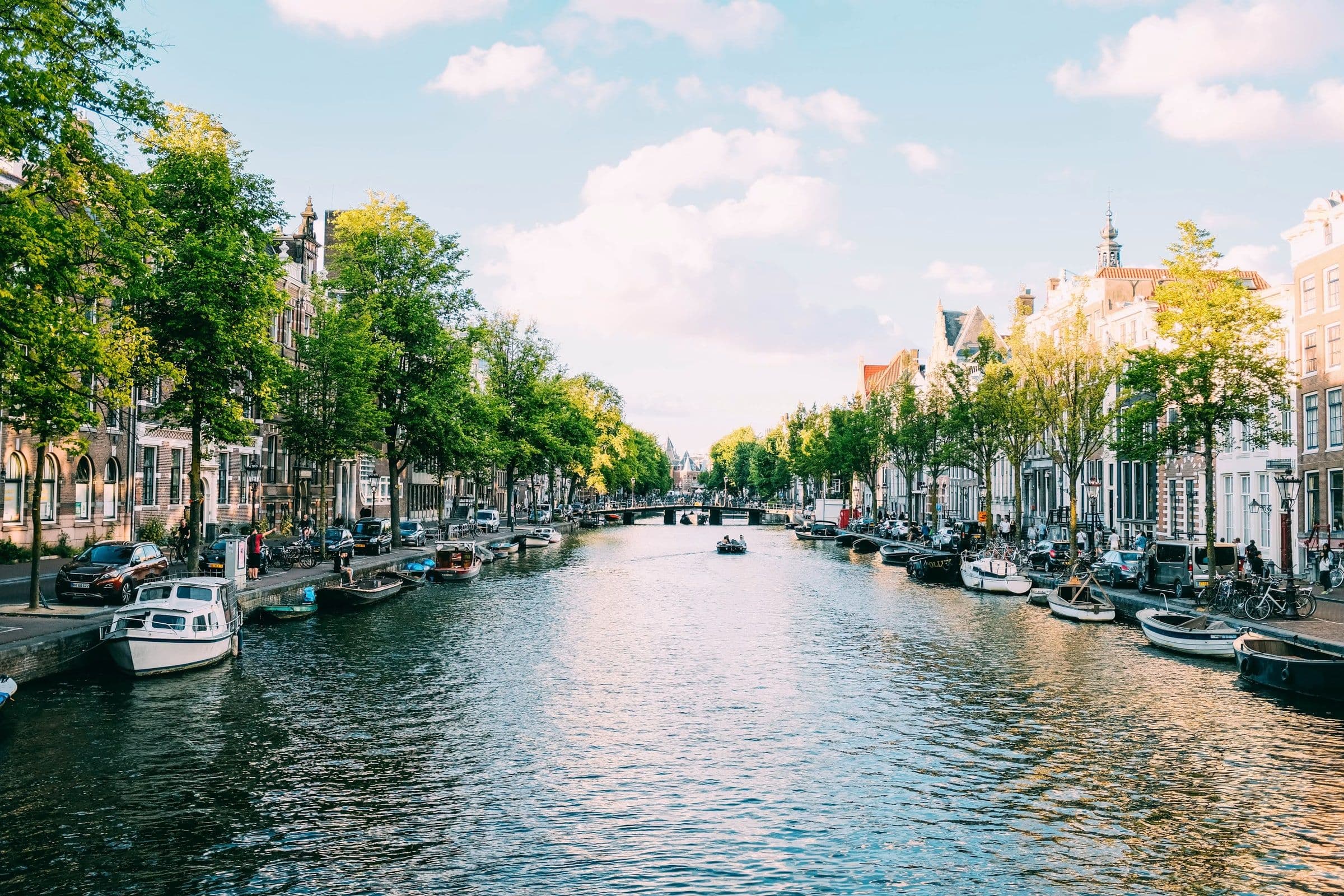
We guide the transaction in cooperation with notaries and tax advisers in both countries, and make sure you know the differences in advance. That way, the acquisition proceeds without surprises, whether you are buying in Amsterdam or in Hamburg.
This article contains general information and does not constitute legal advice. Legislation and case law may change, and the outcome always depends on the circumstances of your situation. For advice on your matter, please get in touch with us.